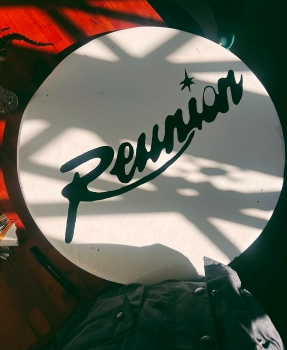
Photo by Reunion Restaurant on Facebook
December 8, 2024
I seem to have devoted a disproportionate amount of blog space to describing the closing of various restaurants and coffee shops. It made at least some sense during the pandemic. Today’s installment, however, comes from a place of shock and knee-jerk reactions.
This could be the fate of any restaurant in any town, especially in the rural parts of our country. But in this case, it’s our Reunion Restaurant in our Spring Green. Reunion blazed onto the scene with creative, fresh, gorgeous dishes (most of them healthy); partnerships with local farms and vendors; and a crew made up of people who were being treated kindly and who felt a deep sense of purpose. It remains my favorite place to enjoy a meal.
In the two days since Reunion’s staff announced the closure, I have heard and read some alarming responses. You know the type: comments made by people who haven’t experienced Reunion and are not invested in seeing it stay open, but nonetheless believe they know exactly what the problem is. These comments have fallen into three related categories, which I would like to address here.
1. “The community is too small to support a business like Reunion.”
Anyone who has tried to go out for dinner in Spring Green during high summer knows otherwise. The town isn’t too small; it’s too seasonal. Why should my neighbors and I not enjoy high-quality food and service just because other people don’t want to travel here in the winter? What is inherently, morally wrong with the residents of a small community wanting to serve good food to one another?
Members of this community do support Reunion (and vice versa), in spades, over and over again. But it’s an unrealistic expectation for any of us to dine out enough to balance the summer traffic. Surely there are creative solutions, or no small tourist town would ever come close to thriving.
I believe that Reunion’s owners, Leah and Kyle, would give us their nourishing food for free if they could still make a living and pay their staff fairly. Small towns do not cause businesses to go under. The cause is an economic system under which no good can be accomplished unless it turns a profit.
2. “Reunion just wasn’t filling a need that this community had.”
False – plain and simple.
Do you enjoy good, fresh food? Do you want to support small businesses where you know the staff are compensated fairly? Do you like celebrating life events and treating yourself once in a while? Then there is a “need” for places like Reunion. There is no other business like it in this community.
I don’t want to imagine the meanness of spirit required to think that only people who live in cities “need” these experiences. This comment almost made me confront someone out loud, which (as those who know me will attest) is about a once-in-a-decade experience.
3. “Reunion is too far away for most customers to make the drive.”
This is the charitable summary of this set of comments. A more accurate summary would include the unsubtle hint that people in small towns don’t have the same needs as people in cities (see above). The implication is that the only people who would care to visit Reunion live in places where a drive is required.
Why is it acceptable for my neighbors and I to make the same drive in the opposite direction? Would anyone genuinely stand by the belief that we don’t deserve to experience a good restaurant because of where we live?
This economic determinism is the opposite of truth. It is the bending of truth to fit a narrative that the speaker wants to be true. The only way to enhance rural communities is to take a handful of chances on serving the people who live there, instead of being beholden to the nearest city. If no one takes this chance, then of course the grim future that these comments predict will come to pass.
I plan to support the chance that Kyle and Leah took. I hope you will too. Let’s make sure that they can keep breaking the mold and doing what they do so well.
While closure continues to be imminent for Reunion, there is a fundraiser to give the staff a better start to the next chapter. If you believe they have done something good for the community, you can donate here.




 Driftless Grace